Review: Passenger Car Mini Embroidery for Small Projects
As a designer who has spent years staring at stitch maps and testing tension on various fabrics, I have learned that the smallest designs often require the most scrutiny. When I first loaded the Passenger Car Mini Embroidery file into my software, I was not just looking for a cute icon; I was looking for structural integrity. In the world of machine embroidery, charm is secondary to clarity. If a design turns into a tangled mess of thread on a tiny hoop, it fails its primary purpose, no matter how adorable the subject matter.
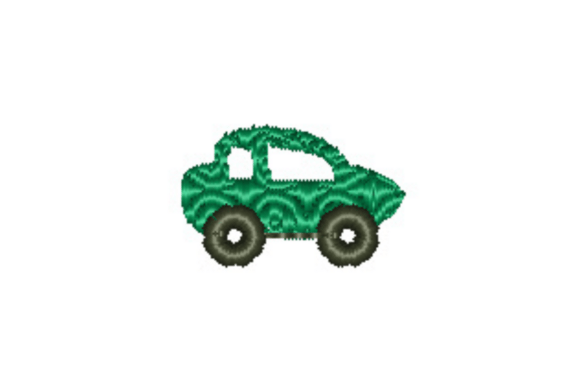
This particular design falls under the Transportation category, a niche that is surprisingly popular for children’s apparel, baby showers, and themed nursery decor. The premise is simple: a compact, stylized passenger car. But simplicity in embroidery is deceptive. It requires precise digitizing to ensure that the wheels look round, the windows remain distinct, and the overall silhouette reads clearly from a distance. After putting this file through its paces on several test runs, I am ready to share how it performs in real-world applications.
First Impressions and Visual Personality
The immediate mood of the Passenger Car Mini Embroidery is playful yet structured. It does not rely on excessive detailing that would clutter a small footprint. Instead, it uses clean lines and balanced spacing. For an embroidery designer, this is crucial. When you are working with mini hoops, every millimeter counts. A design that is too dense will cause puckering, while one that is too sparse may look unfinished.
I appreciated the visual personality of this piece. It feels modern enough to appeal to contemporary parents but classic enough to fit into traditional handmade aesthetics. Whether you are creating a personalized gift for a new dad or adding a whimsical touch to a boutique product line, the design strikes a balance that avoids being overly cartoonish or too rigid. It sits comfortably in the realm of professional craft business assets.
Real-World Application: The Tote Bag Test
To truly evaluate a design, you must take it out of the digital environment and put it on fabric. I chose a canvas tote bag for my first test. This is a common item for Etsy sellers and small shop owners because it offers a flat, stable surface that showcases embroidery well. I positioned the Passenger Car Mini Embroidery near the bottom corner of the bag, intending to create a subtle accent rather than a central focal point.
The result was impressive. The stitch density appeared well-calibrated for medium-weight cotton canvas. The car maintained its shape without pulling the fabric inward, a common issue with poorly digitized files. For a craft business owner, this reliability is key. You do not want to spend hours hooping and stitching only to have the final product look warped. This design held up beautifully, suggesting it would also work well on aprons, kitchen towels, and pillow covers where durability matters.
Versatility Across Products
Beyond tote bags, I considered how this design would translate to other items. For custom apparel, such as a child’s sweatshirt or a baby onesie, the scale is perfect. Baby embroidery requires designs that are soft and not overly bulky, as stiff stitches can irritate sensitive skin. The Passenger Car Mini Embroidery seems light enough for these delicate applications. It would also make an excellent embroidered patch if stitched on felt or twill and then appliqued onto denim jackets or caps.
For holiday embroidery projects, think about stocking stuffers or ornament tags. The transportation theme is neutral enough to work year-round but can be easily adapted with seasonal thread colors. Imagine a red car for Christmas or a pastel blue for Easter. This flexibility makes it a valuable asset for digital product sellers who need versatile design elements that customers can customize.
Technical Considerations and Fabric Choices
While the design performed well on canvas, I approached textured and stretchy fabrics with caution. Embroidery on knit fabrics, like t-shirts or baby clothes, requires a proper stabilizer to prevent distortion. I recommend using a cut-away stabilizer for garments that will be washed frequently. The stitch density of this file seems moderate, but on thin or stretchy fabric, even a light design can cause rippling if not supported correctly.
Dark fabrics present another challenge. If you are stitching a light-colored car on navy blue fleece, you must ensure your thread colors have enough contrast. I advise testing the design in black and white mockups before committing to thread selection. This helps you visualize the value structure and ensures the details remain visible. For curved surfaces like caps, the small size of the Passenger Car Mini Embroidery is an advantage, as it fits easily within the limited hoop area without requiring complex re-hooping techniques.
Enhancing Brand Consistency and Value
For handmade shop owners and boutique branding, consistency is everything. Using a cohesive set of designs helps build brand recognition. This car design fits seamlessly into a broader transportation-themed collection. When used in printable mockups or digital embroidery file previews, it presents a professional image. Customers trust products that look polished, and a clean stitch-out contributes significantly to perceived value.
Moreover, the giftability factor is high. Personalized gifts featuring vehicles are perennial bestsellers. By offering this design on items like monogrammed blankets or custom patches, you tap into a market that values both sentiment and quality. The design’s clarity ensures that even when viewed quickly on a crowded craft fair table, it catches the eye and communicates its theme instantly.
Practical Designer Notes
Before you integrate this into your commercial embroidery workflow, keep these practical tips in mind:
- Test on Scrap Fabric: Always run a test stitch on the same type of fabric you plan to use for the final product. This reveals any tension issues or color clashes.
- Check Thread Contrast: Ensure your thread colors stand out against the background fabric. High contrast improves readability, especially for small details.
- Verify Hoop Size: Although described as suitable for tiny hoops, confirm the exact dimensions in your software to ensure it fits your specific machine capabilities.
- Use Proper Stabilizer: Match your stabilizer to your fabric weight. Tear-away for stable wovens, cut-away for knits and stretchy materials.
- Review Licensing: If you plan to sell finished items or digital products, always confirm the license terms provided with the file. Do not assume commercial rights are included unless explicitly stated.
In conclusion, the Passenger Car Mini Embroidery is a solid addition to any designer’s library. It balances aesthetic appeal with technical practicality, making it suitable for a wide range of projects from baby clothes to boutique merchandise. By respecting the technical requirements of small-scale embroidery and choosing the right materials, you can create finished products that delight customers and enhance your brand’s reputation for quality.