Candy Corn Mini Embroidery: A Designer’s Review
As an embroidery designer who spends countless hours digitizing and testing files for commercial use, I have learned that the smallest designs often present the biggest challenges. When I first encountered Candy Corn Mini Embroidery on Creative Fabrica, my initial reaction was one of cautious curiosity. The preview showed a classic autumn motif, but the promise of it fitting into the "smallest of hoops" raised immediate questions about stitch density and clarity. After downloading the file and running it through several test stitches on various fabrics, I am ready to share an honest evaluation of how this design performs in real-world production environments.
First Impressions and Visual Appeal
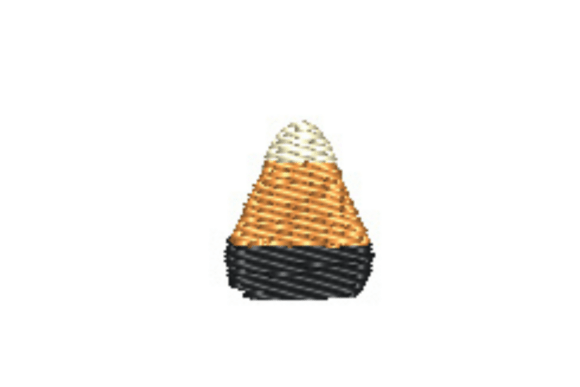
The visual mood of this design is undeniably cheerful and seasonal. It captures the essence of fall festivities with its three distinct color stripes arranged in the iconic shape of a candy corn kernel. For designers looking to add a touch of whimsy to their handmade product lines, this machine embroidery design offers a clean, recognizable silhouette. The simplicity of the shape is its greatest strength, allowing it to read clearly even at a reduced size. However, simplicity in appearance does not always translate to simplicity in stitching. The transition between the white, orange, and yellow sections requires precise registration to maintain the crisp look of the original graphic.
In terms of decorative appeal, this design fits naturally into the broader category of Halloween and Thanksgiving decor. It avoids the spooky or macabre elements often associated with October, making it versatile for customers who prefer a sweeter, more family-friendly aesthetic. This broadens its potential market significantly, appealing to parents decorating nursery items just as much as those creating party favors for adult gatherings.
Performance in Real Embroidery Projects
To truly understand the value of any embroidery file, you must test it beyond the digital mockup. I integrated Candy Corn Mini Embroidery into several prototype projects to gauge its versatility. Here is how it performed across different applications:
- Custom Apparel: On a child’s sweatshirt, the design held up well. The sweatshirt embroidery looked professional, provided I used a cut-away stabilizer to prevent puckering on the knit fabric. The small size meant it did not overwhelm the garment, serving as a subtle accent on the chest or sleeve.
- Tote Bags and Aprons: For a tote bag design, the contrast of the bright thread colors against natural canvas was striking. The design worked beautifully as a corner element or part of a larger cluster. On aprons, it added a festive touch without interfering with the functionality of the garment.
- Embroidered Patches: This is perhaps the strongest use case. Because the design is self-contained and compact, it makes an excellent embroidered patch. I stitched it onto twill backing, cut it out, and finished the edges with a satin stitch. The result was a durable, high-quality accessory that could be ironed or sewn onto jackets and hats.
- Nursery Decor and Baby Items: The soft color palette translates well to baby blankets and bibs. However, extra care is needed with thread colors to ensure they are colorfast and safe for infants. The small scale is perfect for delicate baby items where large, heavy designs might feel uncomfortable.
Technical Considerations for Small Hoops
Working with designs intended for the smallest hoops requires a meticulous approach. The product description notes that this design is appropriate for the smallest of hoops, which implies a high level of detail relative to its size. Here are the practical technical notes every designer should consider before putting this into production:
Stitch Density and Fabric Choice: Small designs can easily become dense blobs of thread if the digitizer has packed too many stitches into a tiny area. I recommend checking the stitch density by running a test on scrap fabric similar to your final product. If you are using textured fabric like terry cloth or waffle weave, the fine details of the candy corn stripes might get lost. In such cases, using a topping stabilizer can help keep the stitches on the surface and maintain clarity.
Thread Color Contrast: The success of this design relies heavily on the distinction between the three stripes. When stitching on dark fabric, the white and yellow sections may require underlay adjustments or a lighter base thread to pop. Always compare light and dark fabric mockups before committing to a full batch. If the colors bleed into each other due to poor tension or low-quality thread, the iconic look is lost.
Curved Surfaces and Caps: Stitching on curved cap surfaces is tricky with any design, but especially with geometric shapes. Ensure your hoop is secure and the fabric is drum-tight. Distortion can warp the triangular shape, making it look asymmetrical. A proper stabilizer is non-negotiable here; I suggest a medium-weight cut-away for structured caps to maintain the design's integrity over time.
Enhancing Product Value and Brand Consistency
For Etsy sellers and small business owners, the perceived value of a finished product is tied to its presentation. Candy Corn Mini Embroidery contributes to a cohesive brand aesthetic if you are focusing on seasonal collections. It allows for easy creation of printable mockup assets for your online store, showcasing the design on various products without needing to physically stitch every single item for photography.
Using consistent design elements like this across your commercial embroidery line builds buyer trust. Customers recognize the quality and style, which encourages repeat purchases. Whether you are selling a personalized gift or a ready-to-ship kitchen towel, the crisp execution of this small design signals attention to detail. It enhances the giftability of the item, making it an attractive option for holiday shoppers looking for unique, handmade touches.
Final Verdict and Best Practices
Is Candy Corn Mini Embroidery worth downloading? For designers who understand the nuances of small-scale stitching, yes. It is a versatile digital embroidery file that can elevate simple blanks into festive merchandise. However, it is not a "set and forget" design. Success depends on your preparation.
Before selling finished items, always confirm file details and licensing on the Creative Fabrica product page. While the design is suitable for commercial use, understanding the specific terms protects your business. Additionally, since the description mentions it is for the smallest hoops, verify the exact dimensions and compatible formats for your specific machine. Do not assume compatibility; check the included file types.
In conclusion, this design is a solid addition to your autumn library. It performs well on stable fabrics, excels in patch applications, and offers a charming aesthetic for Halloween and Thanksgiving markets. By respecting the technical requirements of small hoop embroidery—proper stabilization, thread choice, and testing—you can confidently incorporate this sweet motif into your next collection of custom apparel and home goods.