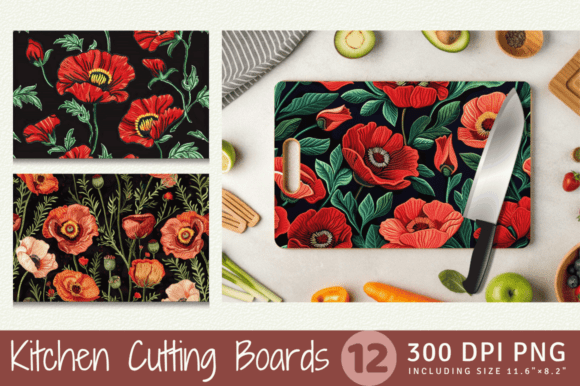
Reviewing Poppy Flowers Embroidery Cutting Boards Design
As an embroidery designer who has spent years digitizing patterns and testing them on everything from delicate silk to heavy canvas, I approach every new machine embroidery design with a critical eye. It is not just about how pretty the preview looks on a screen; it is about how the thread lays on the fabric, how the stabilizer holds up under tension, and ultimately, how the finished piece feels in a customer’s hands. Recently, I had the opportunity to review the Poppy Flowers Embroidery Cutting Boards sublimation design, and while the title suggests kitchenware, its application in the world of Crafts and Graphics offers a fascinating case study for personalized gift creators.
First Impressions: Mood and Emotional Appeal
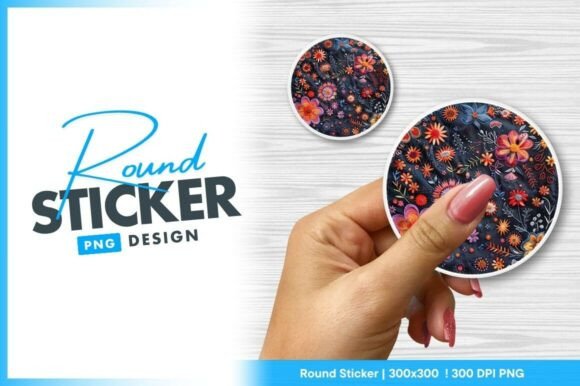
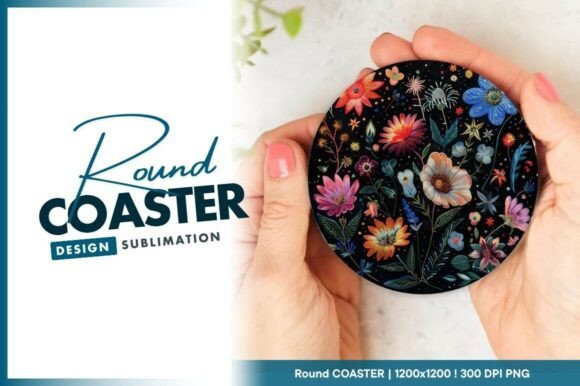
The first thing that strikes you about the Poppy Flowers Embroidery Cutting Boards aesthetic is its vibrant warmth. Poppies are flowers that symbolize remembrance, peace, and sleep, making them incredibly versatile for various emotional contexts. The design exudes a charm that is both elegant and slightly playful. It does not feel overly stiff or formal; instead, it carries a handmade quality that resonates with buyers looking for authenticity.
For those of us running small shops or selling on platforms like Etsy, mood is everything. This design feels romantic yet modern, suitable for spring collections but timeless enough for year-round sales. The detail level appears balanced, avoiding the clutter that can plague floral designs when scaled down. It invites the viewer to imagine this pattern not just on a cutting board, but transferred into thread on soft textiles.
Versatility Across Product Lines
While the source material highlights high-quality cutting board designs for kitchen decor and cooking lovers, my focus as an embroidery specialist is on how these visual elements translate to textile products. The Poppy Flowers Embroidery Cutting Boards motif is exceptionally well-suited for a wide range of personalized gifts. Imagine this floral arrangement stitched onto a crisp white embroidered towel for a housewarming present. The reds and greens of the poppies would pop beautifully against neutral linens.
For baby product creators, this design offers a gentle, nature-inspired option for baby embroidery. A simplified version of the poppy could adorn a nursery blanket or a muslin swaddle, providing a soothing visual element for a newborn’s room. Similarly, for wedding gift designers, the symbolism of the poppy can be leveraged to create meaningful keepsakes. A wedding gift featuring these flowers on a pillow cover or a custom tote bag adds a layer of thoughtful curation that mass-produced items simply cannot match.
I also see great potential for apron customization. A chef or home cook who loves botanical themes would appreciate a custom embroidery piece that ties their passion for food with their love for garden aesthetics. Whether it is for craft fair products or digital product sellers offering printable mockups, the versatility of this graphic style is a significant asset.
Technical Considerations for Embroiderers
Translating a sublimation-style graphic into a stitched reality requires careful planning. Before you load your hoop, there are several practical steps to ensure the Poppy Flowers Embroidery Cutting Boards design performs well. First, always test on scrap fabric. Different materials react differently to needle penetration and thread tension.
Thread colors are crucial here. Poppies are known for their vivid reds, oranges, and deep blacks. You must check the color contrast against your chosen fabric. If you are stitching on a dark fabric, you may need to adjust the underlay or use a lighter background fill to ensure the details do not get lost. Conversely, on light fabrics, ensure your satin stitches are dense enough to prevent the fabric from showing through, but not so dense that they cause puckering.
Pay close attention to stitch density. Floral designs often have fine lines for stems and leaves. If the density is too high on lightweight fabric, the material may tear or distort. If it is too low, the design may look sparse and unprofessional. Always confirm the recommended hoop size before starting. A design intended for a large surface area like a cutting board might need to be resized significantly for a small item like a baby bib or a pocket square. Resizing can alter stitch angles and densities, so a test run is non-negotiable.
Do not forget the importance of the right stabilizer. For textured fabrics like terry cloth towels or thick denim, a cut-away stabilizer might be necessary to support the weight of the embroidery. For stretchy baby clothes, a tear-away with a topping can help keep the stitches smooth and prevent the fabric from being eaten by the machine.
Navigating Challenges in Production
There are specific scenarios where you should use this design carefully. Small lettering, if included in any accompanying text, can become illegible if the design is scaled down too far. Delicate details, such as thin flower petals, may break or fray if stitched on rough fabric texture like burlap or heavy canvas without proper stabilization.
Curved surfaces, such as the edge of a round pillow or a fitted hat, require precise hooping to prevent distortion. Dark fabrics pose a challenge for visibility during the stitching process, so using contrasting bobbin thread or marking your center points accurately is essential. Additionally, consider the end-use. Products that need frequent washing, like kitchen towels or baby blankets, require high-quality polyester threads that resist fading and shrinking. Cotton threads, while beautiful, may not hold up as well over time in high-wash scenarios.
Enhancing Perceived Value and Trust
From a business perspective, the Poppy Flowers Embroidery Cutting Boards design contributes significantly to giftability. A well-executed embroidered item feels luxurious and personal. It builds customer trust because it demonstrates skill and attention to detail. When a buyer receives a handmade product that is neatly stitched, with no loose threads and perfect alignment, their emotional connection to the brand deepens.
This design also aids in product photography. The bold colors of the poppies create striking visuals for social media and online listings. High-quality images of an embroidered towel or a blanket embroidery project can drive buyer engagement and increase click-through rates for Etsy seller accounts. It transforms a simple item into a small shop product that stands out in a crowded marketplace.
For those interested in commercial embroidery, it is vital to verify the licensing terms of the original digital embroidery file. Just because a design is available for purchase does not automatically grant rights for mass production or resale of finished goods. Always check the creator’s terms regarding commercial license usage. If you are creating a printable mockup for digital sale, ensure you have the rights to distribute the image itself.
Final Thoughts for Crafters and Sellers
The Poppy Flowers Embroidery Cutting Boards concept bridges the gap between kitchen decor and textile art. For embroidery makers, it offers a rich, colorful palette to work with. For gift shop owners, it provides a narrative of warmth and nature that appeals to a broad audience. Whether you are creating a personalized gift for a friend or stocking your online store with unique items, this design serves as a strong foundation.
Remember to respect the technical limits of your machine and materials. Check your embroidery file settings, choose your thread colors wisely, and always prioritize the durability of the finished product. By doing so, you turn a simple graphic into a cherished heirloom. Happy stitching!