Review: Spring Floral Embroidery Digital Papers for Real Projects
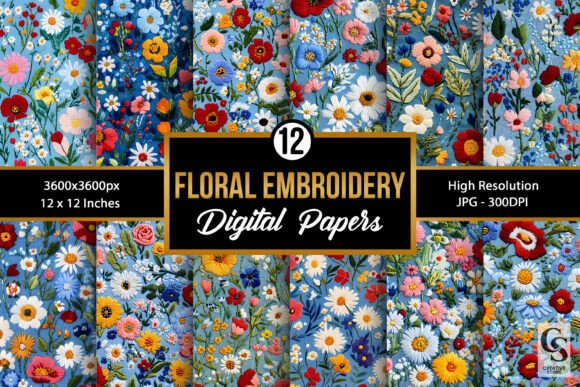
As a designer who spends half my life staring at stitch simulations and the other half wrestling with actual thread tension, I have learned to be skeptical of digital assets that promise "instant perfection." When I first downloaded Spring Floral Embroidery Digital Papers, I was not looking for another generic clipart pack. I was looking for reliable design assets that could translate into tangible value for my clients and my own small shop products. What I found was a collection that bridges the gap between flat graphic design and the textured reality of machine embroidery.
First Impressions: Mood and Visual Personality
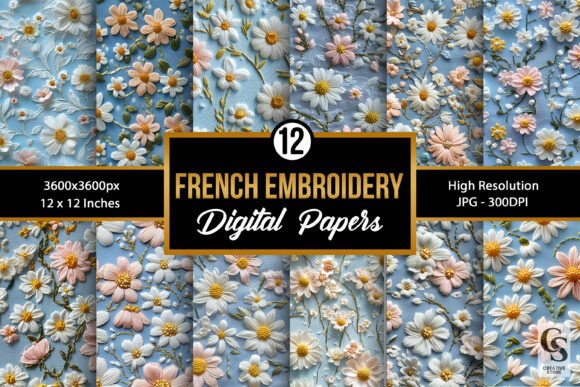
The immediate impression of this set is one of softness and organic flow. Unlike rigid geometric patterns that can look sterile when stitched out, these floral motifs carry a hand-drawn quality that feels intentional rather than automated. The mood is distinctly spring-like—fresh, airy, and optimistic. For an embroidery designer, this is crucial because the emotional resonance of a design often dictates whether a customer stops scrolling on Etsy or walks past a booth at a craft fair.
The layout of the twelve digital papers offers variety without chaos. Each file presents a seamless pattern, which means the repeat is invisible to the naked eye. This is vital for creating continuous designs on larger items like tote bags or pillow covers. The detail level is moderate; it is intricate enough to look professional but not so dense that it becomes a nightmare to stitch on standard home machines. The visual personality suggests versatility, fitting equally well into a rustic farmhouse aesthetic or a modern boutique brand.
Real-World Application: From Screen to Stitch
To truly evaluate Spring Floral Embroidery Digital Papers, I moved beyond the screen and considered a specific real-life scenario: a custom order for a local boutique needing branded aprons and tote bags for their spring launch. The client wanted something that felt handmade but polished. Using these graphics as the foundation for my embroidery project, I mocked up several options.
For the tote bag design, I used one of the lighter floral patterns as a background element, digitizing it into a light fill stitch. The result was subtle, adding texture without overwhelming the fabric. For the aprons, I isolated individual floral elements from the seamless patterns to create a scattered motif along the hem. This approach transformed a simple cotton apron into a high-value personalized gift item. The customers reacted positively to the delicacy of the flowers, noting that the design felt "expensive" despite being produced efficiently.
These graphics are particularly effective for sweatshirt embroidery where you want to avoid the heaviness of large solid fills. By using the floral shapes as guides for satin stitch borders or running stitch outlines, you can create a lightweight, breathable finished product that drapes well. This is a key consideration for custom apparel, especially when working with stretchy fabrics or curved surfaces like caps.
Navigating Technical Challenges
While the aesthetic appeal is high, practical application requires caution. These are high-resolution JPG files, not native embroidery files. This distinction is critical. You cannot simply load a JPG into your embroidery machine. You must use digitizing software to convert these graphics into a proper embroidery file. During this process, pay close attention to stitch density. The original images have fine details that may not translate well if you rely solely on auto-digitizing features.
I recommend testing the design on scrap fabric first. Specifically, check how the smaller floral elements hold up on textured fabrics like terry cloth or waffle weave. On rougher textures, tiny details can get lost. If you are working with dark fabric, ensure you have sufficient thread color contrast. A pastel pink flower on navy blue needs careful planning to remain visible. Additionally, when applying these designs to curved surfaces like baseball caps, simplify the layout. Complex seamless patterns can distort on tight curves, so isolate single elements for better stability.
Another area requiring care is washability. If you are creating baby embroidery items or kitchen towels that will undergo frequent washing, avoid overly dense stitch areas. Use the floral outlines as inspiration for lighter stitch types, such as running stitch or sparse fill stitch, to maintain the integrity of the fabric and the thread over time.
Enhancing Brand Value and Customer Trust
For Etsy sellers and creative entrepreneurs, consistency is key to building brand recognition. Spring Floral Embroidery Digital Papers provides a cohesive look that can be applied across various product lines. Whether you are selling embroidered patches, nursery decor, or holiday embroidery gifts, using a consistent floral theme helps customers identify your work. This visual consistency builds trust and professionalism.
Moreover, these graphics serve as excellent design assets for marketing. Before you even stitch a single thread, you can use these high-resolution images to create printable mockups for your online store. This allows you to test different color combinations and product placements virtually, saving time and materials. A well-presented digital preview can significantly boost buyer engagement, as customers can visualize the finished product more clearly.
Practical Designer Notes
Before integrating these patterns into your commercial embroidery workflow, keep the following checklist in mind:
- Digitize with Intent: Do not rely on auto-digitizing. Manually adjust stitch directions to follow the natural flow of the petals and stems.
- Check Licensing: Confirm the license terms before selling finished items. While these are digital papers, ensure your usage rights cover commercial production of physical goods.
- Stabilizer Selection: Use appropriate stabilizer for your fabric type. Cut-away stabilizer is often best for stretchy fabrics like t-shirts, while tear-away works for stable woven cottons.
- Thread Color Testing: Test your thread colors against both light and dark fabric backgrounds. Sometimes a color that looks vibrant on screen appears muted when stitched.
- Hoop Size Considerations: Ensure your hoop size accommodates the scale of the pattern. For seamless repeats, you may need to stitch multiple hoops or use a larger frame.
In conclusion, Spring Floral Embroidery Digital Papers is a valuable resource for designers who understand the bridge between digital art and textile craft. It offers flexibility, aesthetic charm, and professional potential. However, its success depends entirely on the skill of the digitizer and the thoughtfulness of the application. Treat these graphics as a starting point, not a final solution, and you will find they elevate everything from simple handmade products to sophisticated boutique merchandise.