Reviewing Happy Daisy Embroidery for Boutique Sweatshirts
As an embroidery designer who has spent years refining digitized art for commercial apparel, I approach every new machine embroidery design with a critical eye. It is not just about whether the file opens correctly; it is about how that design translates onto fabric, how it withstands wear, and ultimately, how it elevates a brand. Recently, I evaluated the Happy Daisy Embroidery Designs for a potential inclusion in a limited-edition sweatshirt drop for a small boutique client. The goal was simple: create a cheerful, high-quality piece that stands out in a crowded market of generic prints. Here is my professional breakdown of how this charming floral motif performs in a real-world production scenario.
First Impressions: Mood and Aesthetic Appeal
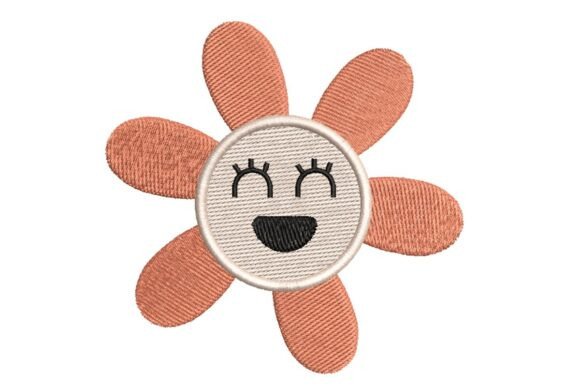
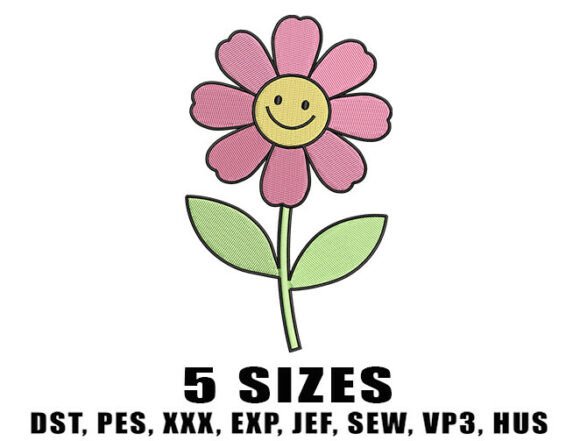
The initial visual impact of the Happy Daisy Embroidery Designs is undeniably uplifting. The description highlights a "charming pink flower with a big smile," which immediately sets a playful and feminine tone. For a boutique brand targeting springtime fashion or kids’ collections, this mood is perfect. However, when translating this to adult apparel, such as oversized hoodies or neutral-toned sweatshirts, the design must walk a fine line between cute and sophisticated.
In my assessment, the design leans heavily into a decorative and playful aesthetic. The smiling face adds personality, transforming a standard floral element into a character-driven piece. This works exceptionally well for brands that want to convey warmth and approachability. When placed on a premium, heavy-weight cotton sweatshirt, the contrast between the soft, cozy fabric texture and the bright, structured embroidery creates a tactile experience that buyers love. It feels less like a mass-produced graphic and more like a thoughtful, handmade product detail, even when produced commercially.
Strategic Placement for Sweatshirts and Hoodies
One of the most critical decisions in apparel decoration is placement. The Happy Daisy Embroidery Designs comes in five sizes, ranging from 3.8 inches to 6.8 inches. This versatility is a significant advantage for a small shop product line. For a standard crewneck sweatshirt, I recommend using the mid-range sizes (4.8 or 5.8 inches) for a left-chest placement. This creates a subtle, branded look that feels premium without being overwhelming.
For oversized hoodies, the largest size (6.8 inches) can be centered on the chest for a bold statement piece. Alternatively, using the smallest size (3.8 inches) as a sleeve accent or near the hem adds a unique, custom touch that differentiates the garment from basic retail options. When considering hoodie design trends, back placements are also popular. However, given the intricate nature of a smiling face, I would caution against placing it too high on the back where fabric bunching might distort the expression. A lower-back placement or a large central back print works best if the stitch density is managed correctly to prevent puckering.
Technical Considerations for Commercial Production
From a technical standpoint, working with Single Flowers requires attention to detail. The "big smile" feature implies curved lines and potentially small satin stitches for the eyes and mouth. On thick sweatshirt fleece, these small details can get lost if the thread colors do not have enough contrast against the fabric. For example, stitching pink thread on a light heather grey sweatshirt may lack visibility. I strongly advise using high-contrast combinations, such as white or cream thread on navy or black garments, or vibrant pink on pastel backgrounds.
Stabilizer choice is equally crucial. Sweatshirt fabric is stretchy and thick. To ensure the Happy Daisy Embroidery Designs remains crisp and does not sink into the fleece, a cut-away stabilizer is non-negotiable for commercial durability. Tear-away stabilizers may seem cost-effective, but they often fail to provide enough support for the dense stitching required to make the flower pop. Furthermore, because this is a digital embroidery file intended for repeated use, testing the hoop size compatibility is essential. Ensure your machine’s hoop can accommodate the 6.8-inch width without needing to re-hoop, which can lead to alignment issues.
Enhancing Brand Identity and Product Value
Why choose a specific design like this over a generic clipart conversion? The answer lies in brand identity. For an Etsy seller or a boutique brand, consistency is key. The Happy Daisy Embroidery Designs offers a recognizable visual asset that can become synonymous with your shop. When customers see that smiling pink flower, they should immediately think of your brand’s cheerful, high-quality ethos. This visual recognition builds buyer trust and encourages repeat purchases.
Moreover, embroidered items generally command a higher price point than printed ones. The texture and dimensionality of Embroidery signal quality. By using a well-digitized file, you reduce the risk of thread breaks and redesigns, which protects your profit margins. When creating printable mockup previews for your online listings, ensure the lighting highlights the sheen of the thread. This helps potential customers visualize the finished product and understand the value proposition of a handmade-style item.
Practical Advice for Crafters and Designers
Before launching your collection, consider the following checklist based on this design’s characteristics:
- Check File Formats: Ensure the embroidery file package includes the specific format compatible with your machine (e.g., PES, DST, JEF). The product description mentions five sizes but does not specify formats, so verify this before purchase.
- Test Wash Durability: Run a wash test on your sample sweatshirt. High-quality embroidery should withstand multiple washes without fraying or losing shape. This is vital for maintaining customer satisfaction.
- Color Matching: Use the design to experiment with seasonal thread colors. While pink is the default, try mint green or lavender for a fresh spring look, or deep burgundy for a cozy autumn vibe.
- Readability at Small Sizes: Test the 3.8-inch version on a scrap piece of fleece. Ensure the "smile" and facial features are still distinct. If they blur together, you may need to adjust the stitch density or simplify the design for smaller applications.
In conclusion, the Happy Daisy Embroidery Designs is a strong contender for custom apparel lines focused on joy and comfort. It bridges the gap between childish whimsy and fashionable decor, making it versatile for various demographics. By paying attention to technical details like stabilizer choice and thread contrast, you can transform this digital asset into a best-selling physical product. For any creative entrepreneur looking to add a touch of charm to their commercial embroidery portfolio, this design offers a solid foundation for building a memorable and profitable collection.