Review: Textured Heart Embroidery for Brands
As an embroidery designer who has spent years digitizing files for small businesses, I approach every new machine embroidery design with a critical eye. It is not enough for a pattern to look pretty on a screen; it must perform under the needle, survive industrial washing, and elevate the brand identity of the client using it. Recently, I reviewed the Textured Heart with Small Heart Border Embroidery Design, and I want to share my professional assessment of how this piece functions in real-world commercial applications.
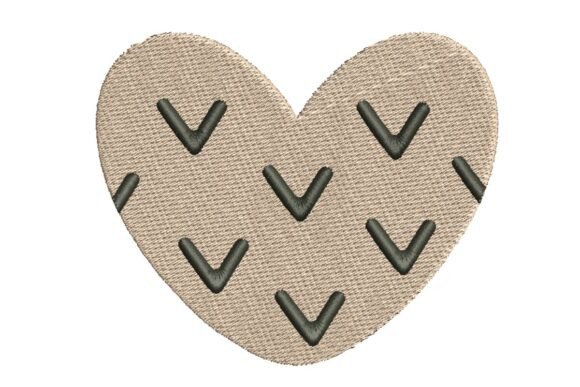
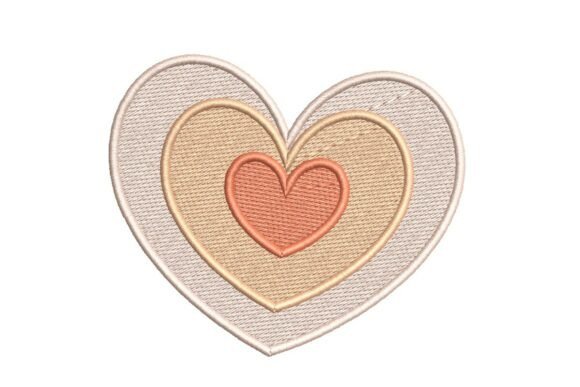
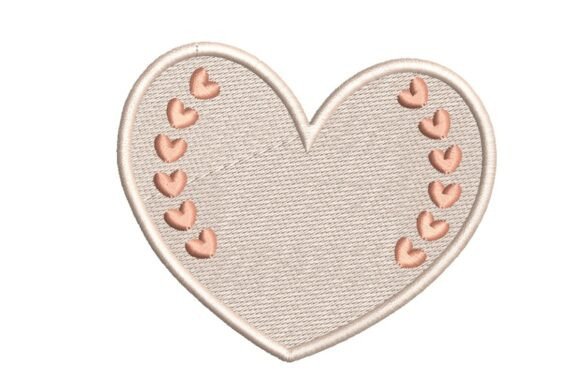
This charming embroidery design features a stylized heart, beautifully framed by rows of tiny hearts, creating a sweet and intricate pattern. The main heart is rendered in a textured light beige or cr. From a design perspective, this description suggests a focus on depth and tactile appeal rather than flat, simple shapes. For boutique owners and merch creators, this distinction is vital. A textured fill implies a premium feel, distinguishing your handmade product from mass-produced heat transfers.
Visual Personality and First Impressions
The first impression of the Textured Heart with Small Heart Border Embroidery Design is one of approachable elegance. It does not scream for attention like a bold, block-letter logo might. Instead, it whispers quality. The use of a textured fill in the central heart suggests a rustic yet refined aesthetic. This makes it highly versatile for brands that want to convey warmth, care, and attention to detail.
While this falls under the Valentine S Day category, limiting it to February would be a mistake for a savvy business owner. The motif of hearts, especially when rendered in neutral tones like beige, transcends seasonal holidays. It speaks to love, community, and passion—values that resonate with customers year-round. Whether you run a local bakery, a florist shop, or a creative studio, this design can serve as a subtle nod to your dedication without feeling overly thematic or temporary.
Performance in Small Business Merchandise
When evaluating a digital embroidery file for commercial use, I look at versatility. Here is how this design performs across various merchandise types:
- Embroidered Patches: The border of tiny hearts creates a natural frame, making this design ideal for die-cut or merrowed edge patches. It stands alone well without needing a complex background shape.
- Apron Embroidery: For cafes and bakeries, placing this on the chest pocket or lower corner of an apron adds a touch of personality. The textured fill holds up well against cotton or canvas fabrics commonly used in kitchen wear.
- Cap Embroidery: This is where caution is needed. The intricate border of small hearts requires precise digitizing to ensure clarity on the curved surface of a cap front. If the stitch count is too high, it may cause puckering.
- Tote Bag Design: On heavier fabrics like canvas totes, the texture of the main heart will shine. It provides a substantial feel that customers associate with durability and quality.
- Staff Uniforms: For boutiques or salons, this can serve as a subtle sleeve detail or chest logo accent, reinforcing brand consistency without overwhelming the uniform.
Using this design as part of your small business merch strategy can significantly enhance perceived value. Customers often equate the complexity of embroidery with higher price points. A textured heart suggests more machine time and skill than a simple satin stitch outline, justifying a premium price for your custom apparel or accessories.
Technical Considerations and Constraints
Before loading this embroidery file into your machine for a production run, there are technical factors to consider. The description mentions "intricate pattern" and "rows of tiny hearts." In embroidery, intricacy equals density. High stitch density can be problematic on certain materials.
If you are embroidering on stretchy fabrics or thin jerseys, you must use a high-quality cut-away stabilizer to prevent distortion. The weight of the textured fill could pull the fabric if not properly supported. Additionally, verify the hoop size requirements. While the design sounds compact, the border of tiny hearts expands the overall footprint. Ensure it fits within your standard hoop sizes, typically 4x4 or 5x7 inches, depending on the specific file dimensions.
Another critical factor is thread colors. The design specifies a "textured light beige." Beige is a low-contrast color on many fabrics. If you are stitching this on white tote bags or light uniforms, ensure there is enough contrast between the thread and the fabric, or consider using a slightly darker tan or gold to make the texture visible. On dark uniforms, you may need to adjust the underlay stitches to prevent the fabric color from showing through the beige top stitches.
Strategic Branding and Identity
Beyond the technical aspects, consider how the Textured Heart with Small Heart Border Embroidery Design impacts your brand identity. Consistency is key to customer trust. If your brand voice is warm, inviting, and artisanal, this design aligns perfectly. It reinforces the narrative of a business that cares about the details.
For Etsy sellers and crafters, using this design on product packaging accents or as a branded seal on thank-you cards (via printed mockups or actual stitched labels) creates a cohesive unboxing experience. It transforms a simple transaction into a memorable interaction. When customers see consistent, high-quality design assets across your website, packaging, and physical products, their confidence in your professionalism grows.
Practical Designer Notes for Production
To ensure the best results with this design, follow these practical steps before committing to a large batch:
- Test in Black and White: Before selecting your final thread palette, stitch out the design in black thread on white fabric. This helps you evaluate the clarity of the tiny heart border and the definition of the textured fill without the distraction of color.
- Check Scale: Resize the design to its smallest intended use, such as a small patch or hat emblem. Ensure the tiny hearts do not merge into a blob. If details are lost, the design may not be suitable for very small applications.
- Fabric Testing: Always test on the actual fabric you plan to use. Fabric texture plays a huge role in how the textured fill appears. A rough linen will interact differently with the stitches than a smooth polyester blend.
- Mockup Creation: Create a printable mockup or digital composite to show clients or stakeholders how the design looks on different items. This aids in approval and reduces revision requests.
- License Verification: Confirm the commercial licensing terms of the digital embroidery file. Ensure you have the right to use it for finished products sold for profit. Never assume; always read the license included with the download.
In conclusion, the Textured Heart with Small Heart Border Embroidery Design is a strong contender for businesses looking to add a touch of heartfelt sophistication to their merchandise. It bridges the gap between playful and professional, making it suitable for a wide range of industries beyond just Valentine's Day promotions. By paying attention to stabilizer choice, thread contrast, and scale, you can leverage this design to create high-value commercial embroidery products that resonate with your audience.
Remember, the goal of Embroidery in business is not just decoration; it is communication. This design communicates care, quality, and warmth. Use it wisely, test it thoroughly, and let it enhance the story your brand tells to the world.