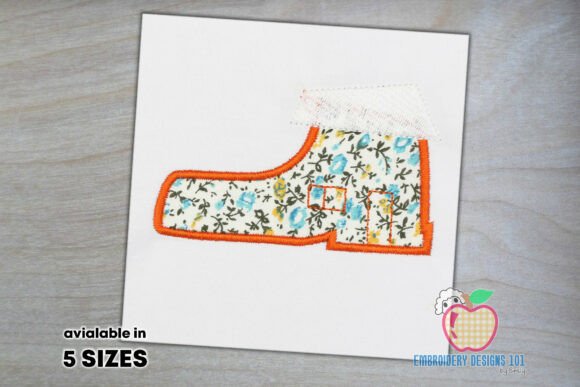
Review: House Made of a Shoe Applique Embroidery Design
As a designer who has spent countless hours digitizing and stitching out thousands of files, I have learned that not every cute graphic translates well into thread. When I first pulled up the House Made of a Shoe Applique Embroidery design on my screen, I was immediately struck by its whimsical charm. It is not just a house; it is a narrative. The concept of a home built upon a large, sturdy shoe suggests journey, comfort, and foundation. For those of us in the craft business, finding designs that tell a story while remaining technically sound is the holy grail.
First Impressions and Visual Personality
The visual layout is clean and balanced. The brown walls provide a neutral, earthy base that allows the orange roof to pop without being overwhelming. This color combination is classic and versatile, working well for both autumn-themed projects and year-round home decor. The stylized nature of the graphic means it avoids the pitfalls of overly complex details that often get lost in stitching. Instead, it relies on bold shapes and clear lines, which is essential for maintaining clarity in an applique design.
What stands out most is the mood. It feels cozy and inviting, yet playful. This makes it an excellent candidate for a wide range of embroidery projects. It does not scream "holiday" exclusively, nor is it strictly childish. It sits in that sweet spot of modern farmhouse meets whimsical illustration, which is currently very popular among Etsy sellers and boutique owners.
Real-World Application: The Tote Bag Test
To truly evaluate a machine embroidery design, you have to imagine it on a physical product. I recently considered this design for a custom order of canvas tote bags for a local bookshop. The client wanted something that represented "coming home to a good story." The House Made of a Shoe Applique Embroidery fit this brief perfectly.
Using the 5x7 or 6x10 hoop size options, the design scales beautifully on a standard tote. The applique technique is crucial here. By using fabric for the main body of the house and shoe, we reduce the stitch count and prevent the bag from becoming stiff or puckered. A full fill stitch on a large area like this would be dense and heavy, but the applique method keeps the finished product lightweight and professional. The orange roof can be handled with a satin stitch or a light fill, adding texture without bulk.
Versatility Across Product Lines
Beyond tote bags, this design has significant potential for other handmade products. Here is how I see it performing in different contexts:
- Sweatshirt Embroidery: Placed on the left chest or as a larger back piece, this design adds a unique touch to custom apparel. The brown and orange tones look sophisticated on heather grey, navy, or cream fabrics.
- Baby Embroidery: For nursery decor or baby blankets, the whimsical nature is appealing. However, care must be taken with thread choices. Soft pastels might soften the look, but the original brown and orange offer a gender-neutral, modern aesthetic that many parents currently prefer.
- Embroidered Patch: This design is ideal for patches. The clear outlines make it easy to cut and merge. You can stitch it on twill, cut it out, and sell it as a standalone accessory or attach it to denim jackets and caps.
- Holiday Embroidery: While not explicitly Christmas-themed, the warm tones fit perfectly into fall and Thanksgiving collections. It could easily be part of a "Home for the Holidays" series.
Technical Considerations for Stitching
While the design is visually strong, practical execution requires attention to detail. Since this is an applique design, the placement stitch, tack-down stitch, and satin border are critical. I always recommend testing the embroidery file on scrap fabric first. Check the registration of the satin stitch around the applique pieces. If the satin stitch is too wide, it may catch on loose-weave fabrics; if it is too narrow, it might not cover the raw edges of the applique fabric sufficiently.
Stabilizer choice is non-negotiable. For stretchy fabrics like t-shirts or sweatshirts, use a cut-away stabilizer to ensure the design does not distort over time. For woven fabrics like canvas or linen, a tear-away stabilizer may suffice, but I often prefer a medium-weight cut-away for durability, especially if the item will be washed frequently.
Thread colors play a huge role in the final look. The brown walls should have enough contrast against the background fabric. If you are stitching on a dark fabric, consider using a lighter brown or even a tan to ensure the house shape is visible. Always test your thread colors on the actual fabric you plan to use, as digital mockups can be misleading.
Where to Use Caution
No design is perfect for every situation. Here are a few scenarios where you should proceed with care:
- Small Hoop Sizes: While the design comes in sizes down to 4 inches, going too small may result in loss of detail. The distinction between the shoe and the house might blur if the scale is too tiny. Stick to the 5x7 or larger sizes for best clarity.
- Textured Fabrics: On highly textured fabrics like terry cloth or thick fleece, the fine details of the roof or windows might get lost. In these cases, simplify the thread palette and ensure high contrast.
- Curved Surfaces: Stitching this on a cap requires careful hooping. The flat nature of the design might distort if not stabilized properly on the curved surface of a baseball cap.
Commercial Value and Brand Consistency
For craft business owners, this design offers strong commercial potential. It is unique enough to stand out in a saturated market but familiar enough to be instantly recognizable. Using this in your design assets library can help build a cohesive brand identity focused on warmth, home, and creativity.
When creating printable mockup previews for your online shop, ensure you show the design on various backgrounds. A white background might not show the full effect of the brown walls, so use a contrasting backdrop to highlight the silhouette. This helps customers visualize the personalized gift potential of the item.
Before selling any commercial embroidery items made with this file, always double-check the license terms provided by the designer. Most digital embroidery files come with specific rules regarding mass production versus small batch handmade sales. Respecting these terms protects your business and supports the creative community.
Final Verdict
The House Made of a Shoe Applique Embroidery is a solid addition to any designer’s library. It balances artistic whimsy with technical practicality. It is versatile, scalable, and emotionally resonant. Whether you are creating a custom apparel line, stocking your small shop product inventory, or making a personalized gift for a friend, this design delivers. Just remember to test your tension, choose your stabilizer wisely, and let the charm of the design shine through your craftsmanship.