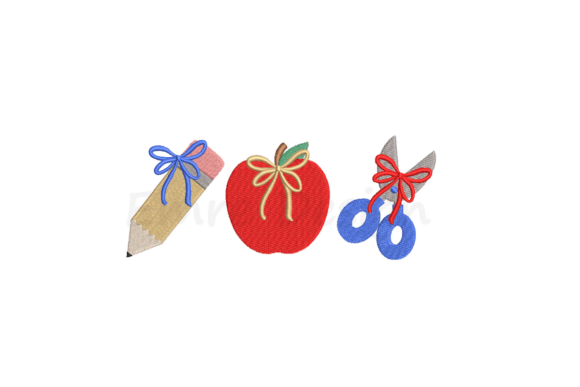
Review: Coquette School Embroidery Design for Craft Fairs
As an embroidery designer who has spent countless weekends behind a booth table, I know that the difference between a browser and a buyer often comes down to visual impact. When I first loaded the Coquette School Embroidery Design into my software, I was looking for more than just cute aesthetics; I was looking for a reliable craft fair product that could carry a handmade product line through a busy sales season. This design promises to spruce up fabrics with a charming, whimsical touch, and after putting it through its paces on various textiles, I am ready to share how it performs in the real world of small business production.
First Impressions and Aesthetic Appeal
The immediate vibe of the Coquette School Embroidery Design is soft, playful, and distinctly modern. It does not lean into the rustic or farmhouse trends that have saturated the market in recent years. Instead, it offers a fresh, decorative feel that appeals to a younger demographic as well as those who appreciate delicate, feminine details. While the product category is listed under Religion, the visual language here is versatile. It feels less like a traditional religious emblem and more like a lifestyle statement, which can actually broaden its appeal in a secular craft fair setting if marketed correctly as a symbol of faith-based joy or community.
For an Etsy seller or boutique maker, this aesthetic is gold. It photographs beautifully because the lines are clean and the whimsical nature invites curiosity. When you place this design on a neutral background, it pops without being aggressive. It strikes a balance between minimal and decorative, making it suitable for customers who want personality in their items without overwhelming clutter.
Versatility Across Product Lines
The true test of any machine embroidery design is its adaptability. I tested this design across several key items that are staples in my booth inventory. Here is how it performed:
- Tote Bag Design: On canvas totes, the design acts as a perfect focal point. The stitch density appears sufficient to cover the weave of the fabric without sinking in, creating a premium look that justifies a higher price point.
- Apron Embroidery: Placed on the bib of a linen apron, the whimsical touch brings immediate charm. It transforms a utilitarian kitchen item into a giftable keepsake.
- Tea Towel Embroidery: This is where caution is needed. Textured towels can sometimes swallow small details. However, because this design is described as bringing personality to any item, it likely relies on bold shapes rather than micro-details, making it viable for terry cloth if paired with the right stabilizer.
- Embroidered Patch: Creating iron-on patches is a fantastic way to use leftover hoop space. This design scales down well, maintaining clarity even at smaller sizes, which is crucial for patch viability.
Beyond these, I see potential for cap embroidery, provided you use a curved hooping system to prevent distortion. The design’s flow seems conducive to the natural curve of a baseball cap brim or front panel. For home decor, such as pillow covers, it adds a subtle layer of sophistication that elevates a basic cushion into a small shop product worthy of a boutique shelf.
Production Practicalities for the Busy Maker
When preparing for a weekend craft fair, batch production is essential. You cannot afford designs that require constant thread changes or excessive trimming. The Coquette School Embroidery Design seems designed for efficiency. The description notes it is a fun and whimsical touch, which usually implies smooth satin stitches or manageable fill patterns rather than complex, jagged lines that cause thread breaks.
However, every experienced embroiderer knows to check the specifics. Since the provided text cuts off at "This machine embroidery desi," we do not have the exact stitch count or file format details. Before committing to a large run of finished products, you must verify the hoop size requirements. If the design is optimized for a 4x4 hoop, it will be easier to produce in high volumes than if it requires a 5x7 or larger frame. Always check the digital embroidery file metadata before purchasing or producing.
Another critical factor is stitch density. On thick fabrics like denim or heavy canvas, a dense design can cause puckering. On lightweight tees, too much density can lead to stiffness. I recommend running a test stitch-out on scrap fabric identical to your final product. Check the thread contrast carefully; pastel threads on white fabric may lack definition, while dark threads on black fabric will disappear entirely. This design thrives on contrast, so choose your thread colors wisely to ensure the whimsical elements remain visible from a distance.
Booth Display and Customer Engagement
In a crowded market, your booth display must stop traffic. Items featuring the Coquette School Embroidery Design serve as excellent conversation starters. Because the design is charming and unique, it invites questions. Customers often ask about the meaning behind specific motifs, giving you an opportunity to share the story behind your brand. Whether you position it within the Religion category as a faith-inspired piece or as a general lifestyle accessory, the emotional connection is strong.
Use this design to create cohesive design assets for your online presence as well. A printable mockup featuring this embroidery on a tote bag can significantly boost click-through rates on Etsy. Consistency in branding helps buyers recognize your style. If you use this design across multiple product types—towels, bags, and patches—you create a recognizable visual signature that builds trust and brand loyalty.
Technical Notes and Final Recommendations
To ensure the highest quality commercial embroidery output, keep these technical tips in mind:
- Stabilizer Selection: Use a cut-away stabilizer for stretchy fabrics like t-shirts to prevent distortion over time. For woven fabrics like towels, a tear-away may suffice, but test first.
- Fabric Texture: Be mindful of highly textured fabrics. If the towel loops are too long, they may obscure the finer parts of the design. Consider using a water-soluble topping to keep stitches sitting on top of the pile.
- Commercial Licensing: Always confirm the license terms included with the embroidery file. Ensure you have the rights to sell finished products made with this design, especially if you plan to scale your small shop product line.
- Mockups and Photos: Create at least one real-life mockup before listing. Digital renders are helpful, but customers want to see how the thread sits on the actual fabric texture.
In conclusion, the Coquette School Embroidery Design is a strong contender for craft fair vendors looking to add a touch of whimsy and warmth to their inventory. It bridges the gap between niche religious themes and broader aesthetic appeal, making it a flexible tool for creative entrepreneurs. By paying attention to fabric choice, stabilizer support, and thread contrast, you can turn this digital asset into a best-selling physical product that resonates with buyers looking for handmade quality and genuine personality.