Golden Daisies on a Stem: A Designer’s Review
As an embroidery designer who has spent years digitizing files and stitching out thousands of samples, I have learned to look past the initial digital preview. The screen can be deceiving. What matters is how the machine embroidery design behaves under the needle, how it interacts with fabric texture, and ultimately, how it translates into a tangible handmade product. When I first loaded the Golden Daisies on a Stem Embroidery Design into my software, I was struck by its balanced simplicity. It belongs to the Single Flowers category, but it carries enough visual weight to stand alone as a focal point.
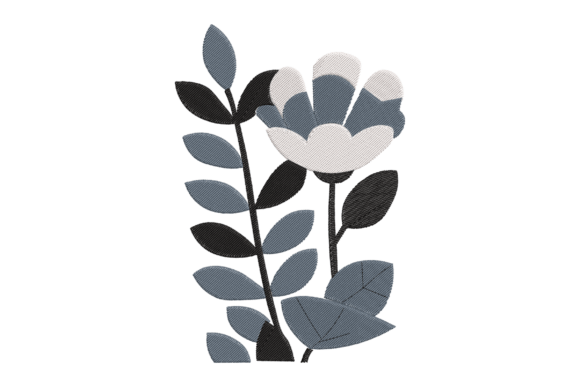
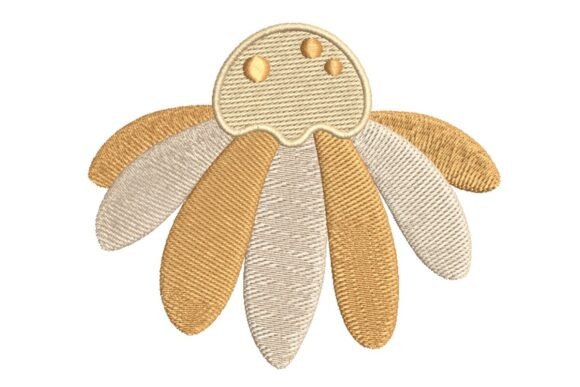
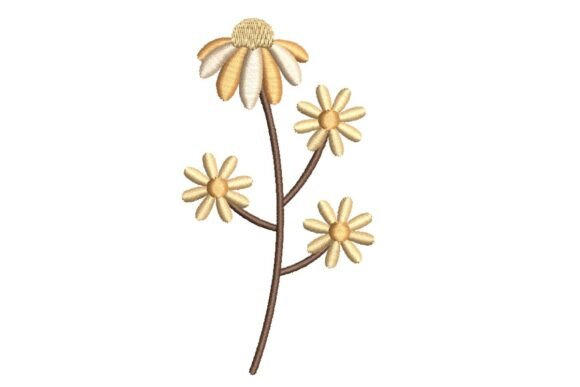
This embroidery piece features a stylized floral stem topped with multiple daisy-like blooms. The primary flower showcases textured golden-yellow and light beige petals surrounding a vibrant golden-yellow center. It is not just a generic flower; it has personality. For those of us running small shops or selling on Etsy, finding designs that feel curated rather than clip-art generic is essential for building brand trust.
Real-World Application: The Tote Bag Test
To truly evaluate this design, I imagined a specific client project: a custom canvas tote bag for a local botanical garden gift shop. The goal was to create something cheerful yet sophisticated, suitable for both young adults and older patrons. I placed the Golden Daisies on a Stem Embroidery Design on the lower right corner of a natural cotton canvas tote.
The result was immediate clarity. Because the design uses distinct thread colors—specifically the contrast between the golden-yellow and light beige—it pops beautifully against neutral backgrounds. The stylized nature of the petals means the design does not get lost in the weave of the canvas. For an Etsy seller or craft business owner, this versatility is key. You are not limited to one fabric type. This design works equally well on a structured tote bag design or a soft, brushed fleece sweatshirt embroidery project.
Stitching Performance and Texture
From a technical standpoint, the design appears to utilize a mix of fill stitch for the larger petal areas and potentially satins stitch or dense running stitches for the stem and center details. This combination is crucial for durability. If you are creating a personalized gift like a baby blanket or a frequently washed kitchen towel, you need stitches that hold up. The textured look of the petals suggests a thoughtful approach to stitch density, avoiding the plastic-like sheen that comes from overly dense filling.
However, experienced designers know that "textured" can sometimes mean complex. Before committing to a final embroidery project, I always recommend stitching a test sample on scrap fabric. Check how the golden threads interact with your specific machine tension. Some metallic or bright yellow threads can be slippery. Ensuring your stabilizer is appropriate for your fabric choice is non-negotiable here. For stretchy fabrics like jersey t-shirts, a cut-away stabilizer might be necessary to prevent puckering around the stem area.
Where to Use It Carefully
While this design is versatile, it is not universal. There are specific scenarios where you should proceed with caution. First, consider the hoop size. If you are working with a small 4x4 hoop, ensure the entire stem and bloom fit comfortably with adequate margin. Crowding the edge of the hoop can lead to misalignment.
Second, be mindful of dark fabrics. The light beige and golden-yellow palette is stunning on white, cream, navy, or black, but it may vanish against certain mid-tone browns or olive greens. Always create a printable mockup or use your software’s color simulation tool to check contrast before stitching. Additionally, avoid placing this design on highly textured fabrics like heavy bouclé or thick terry cloth unless you use a topping stabilizer. The fine details of the daisy petals could get swallowed by the fabric pile.
For curved surfaces like caps, the long vertical stem might distort if not hooped correctly. In such cases, consider using a magnetic frame or ensuring the design is centered perfectly on the cap’s front panel to maintain symmetry.
Commercial Value and Brand Consistency
For commercial embroidery and small shop products, consistency is currency. The Golden Daisies on a Stem Embroidery Design offers a cohesive look that can be part of a larger collection. Imagine pairing it with other Single Flowers in different colors to create a spring line. This approach helps in creating recognizable design assets for your brand.
Customers buying custom apparel or embroidered patches are looking for quality. A clean, well-digitized flower signals professionalism. It tells the buyer that you care about the finish. Whether you are selling the digital embroidery file itself or the finished product, the clarity of this design supports higher perceived value. It is simple enough to be quick to stitch, which helps with profit margins, yet detailed enough to look premium.
Practical Notes for Designers
Before you launch this into your production queue, keep these practical tips in mind:
- Test on Scrap: Always run a test stitch on the actual fabric you plan to use. Check for thread breaks or nesting.
- Check Licensing: Confirm the license terms. Can you sell the finished product? Can you share the embroidery file? Never assume.
- Color Contrast: If using non-standard threads, ensure the golden-yellow center stands out against the petals.
- Mockups: Use black and white previews to check for density issues. If it looks muddy in grayscale, it may be too dense.
- Fabric Choice: This design shines on stable wovens like cotton, linen, and denim. Be cautious with slippery silks or stretchy knits without proper stabilization.
In conclusion, the Golden Daisies on a Stem Embroidery Design is a strong contender for any designer’s library. It balances aesthetic charm with technical practicality. Whether you are creating holiday embroidery gifts, baby embroidery items, or boutique apparel decorators pieces, this design delivers. It reminds us that sometimes, a single, well-executed flower says more than a complex bouquet. For makers who value both beauty and efficiency, this design earns a spot in the rotation.